
Weekly Market Update (Jul 26, 2026)
HIGHLIGHTS
The ECB held rates, as markets had expected. Next week’s Fed decision is adding market volatility, alongside hyperscaler earnings.
- Rate: Based on the Fed chair’s testimony, it is questionable whether rate hikes can offset inflation caused by supply shocks. The effects of supply shocks on inflation are often large, while the effects of changes in resource utilization are moderate.
- China: The urgency for a major stimulus policy has been reduced. Markets expect the July Politburo meeting to prioritize policy execution over further stimulus, as growth is on target and stocks are resilient.
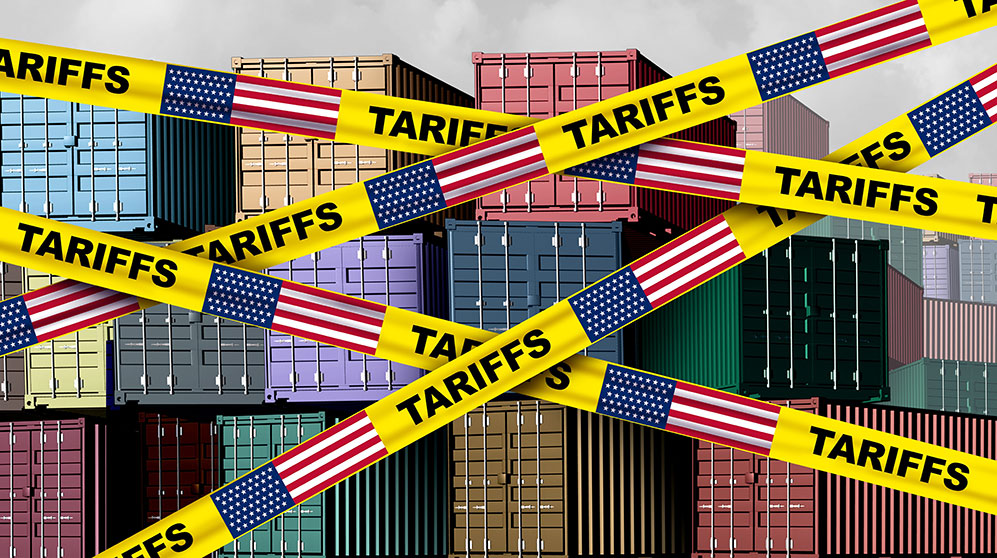
- Tariffs: The re-imposition of US import tariffs still has the potential to affect exports from emerging Asian countries. The impact is softened because some goods are exempt.
MARKETS
| Nasdaq | 24,975.82 | -2.13% |
| S&P 500 | 7,411.98 | -0.61% |
| Dow | 51,947.25 | -0.38% |
| 10-Year | 4.68% | +14bps |
| Brent | 96.78 | +9.85% |
| DXY | 101.47 | +0.70% |
*Data as of market close. 5-day change ending on Friday.
VIEW FROM THE STREET
Equity
Goldman Sachs: Investors will shift their focus to the midterm election in the coming weeks. Historically, equity returns have improved after elections. Demand for equities will be lower given this pattern.
Morgan Stanley: US equities are trading range-bound and are unable to hit a new record high. Household cash allocations are low despite high front-end yields. Their equity allocations are near historically high levels.
Fixed Income
Goldman Sachs: The limited hikes currently priced in are unlikely to help bring down inflation. Monetary policy cannot control supply-driven inflation without accepting the cost of higher unemployment.
Morgan Stanley: Investment-grade bond issuance is at a record high in 2026, supported by increasing AI-related capex. Spreads across different quality segments continue to compress, implying strong demand for debt capital and increasing complacency.
Economy
Barclays: The ECB kept rates unchanged but remains open to further tightening in the future. Resilient economic activity and increasing inflation concerns will increase the chance of at least one rate hike over the rest of the year.
UBS: Inflationary pressure should ease as the year progresses. An aggressive tightening cycle remains unlikely in the near term. US June CPI excluding energy and food fell, supporting the view that Fed policy is already restrictive.