
Weekly Market Update (May 24, 2026)
HIGHLIGHTS
In equity markets, optimism remains around AI and a potential Iran deal. In bond markets, concerns persist over high inflation, elevated interest rates, and high public debt.
- Eurozone: Recent data suggest that the euro area may face stagflationary conditions. Growth is expected to be weighed down by high energy prices. The ECB is expected to raise rates in June and September.
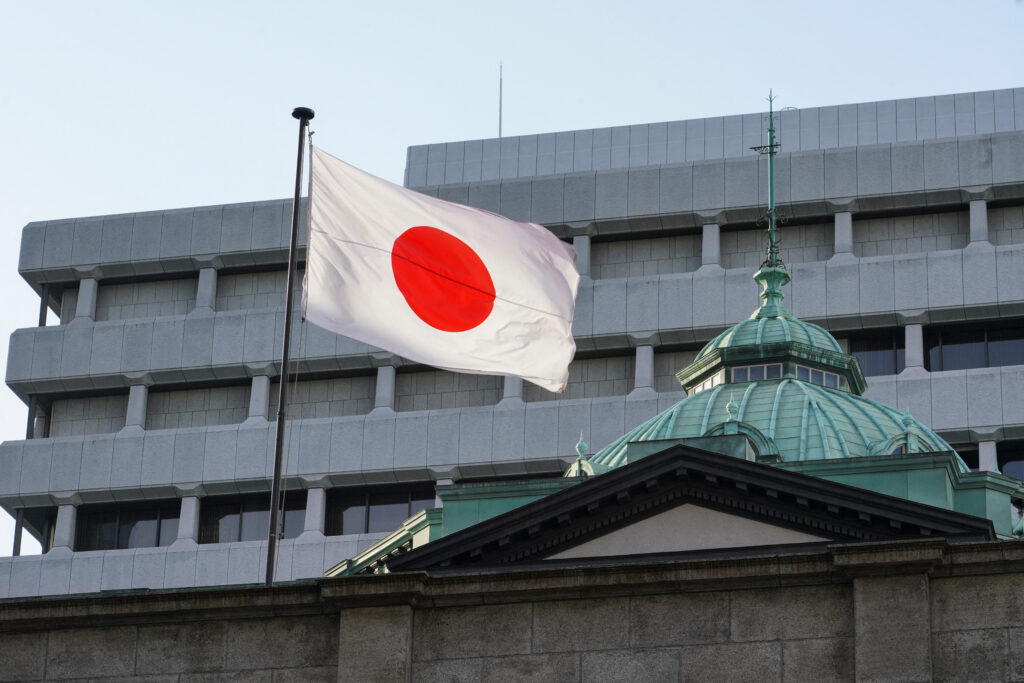
- Japan: A budget for energy subsidies is likely to be approved, funded through Japanese Government Bonds (JGBs). The likelihood of a BoJ rate hike has increased.
- Gold: Gold has recently been sensitive to bond yields, falling when yields rise due to the higher opportunity cost of holding a non-yielding asset. Over the longer term, gold demand from Emerging Market central banks remains solid.
MARKETS
| Nasdaq | 26,343.97 | +0.45% |
| S&P 500 | 7,473.47 | +0.88% |
| Dow | 50,579.70 | +2.13% |
| 10-Year | 4.55% | -5bps |
| Brent | 100.21 | -8.28% |
| DXY | 99.32 | +0.05% |
*Data as of market close. 5-day change ending on Friday.
VIEW FROM THE STREET
Equity
UBS: Strong earnings are expected to support stock gains. AI capex is also expected to increase in the coming years, while chip supply bottlenecks are unlikely to be resolved in the short term.
Goldman Sachs: Recent fund positioning filings show broad agreement across most sectors, except Consumer Discretionary and Financials. Compared with hedge funds, mutual funds are underweight Consumer Discretionary and overweight Financials.
Fixed Income
UBS: Yield volatility is likely to stay high. We believe that the risk-reward is still attractive for short an medium duration bonds. Our expectation of rate hike is higher than what the market is currently pricing in.
Morgan Stanley: Yields had remained low as markets held strong conviction that AI would drive structural disinflation, potentially easing the challenges of high debt and large deficits in the coming decade. However, yields have recently moved higher due to geopolitical events and renewed concerns over resource scarcity.
Economy
Morgan Stanley: AI is expected to transform corporate cost structures. Supply-chain shortages and choke points are pushing PPI toward 6%, suggesting that pricing power is likely to be the key upside driver.
Standard Chartered: Oil inventories may help prevent oil prices from rising in early summer. However, if supply shipments through the Strait of Hormuz do not resume before the end of summer, oil prices could rise sharply.